WindowCostAdvisorCalculate Cost

Energy Performance

Energy-Efficient Windows: ENERGY STAR, U-Factor & SHGC Guide

Energy efficiency is product- and climate-specific. Use ENERGY STAR climate guidance and the NFRC label to compare verified performance values.

Source-linked dataUpdated for 2026No quote form required

U-Factor

Heat transfer through the window. Lower is better for limiting heat loss.

SHGC

Solar heat admitted through the product. The preferred value depends on climate and orientation.

VT

Visible transmittance: how much visible light passes through the product.

Air Leakage

Air passing through the assembly. Lower values mean less infiltration.

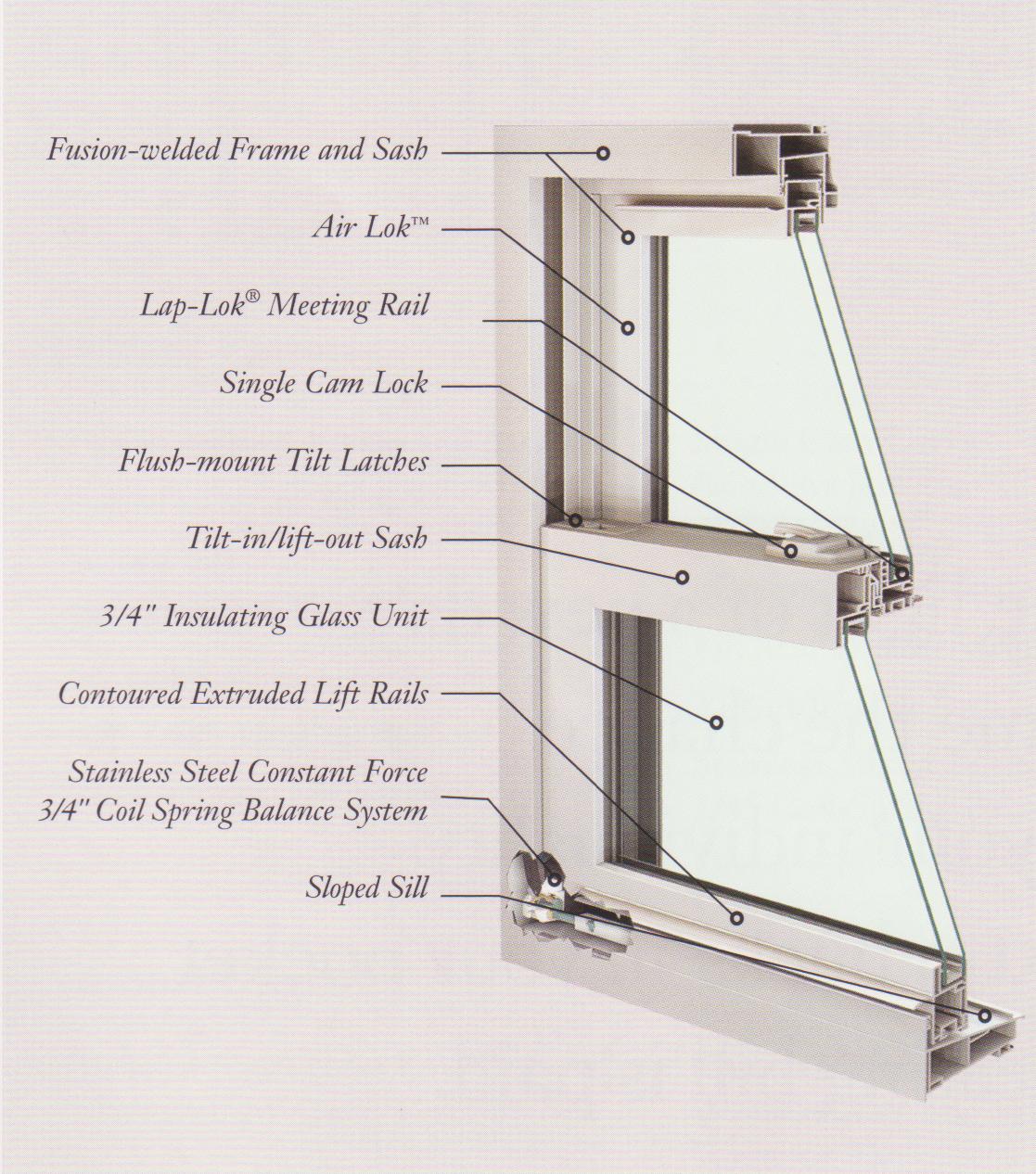
Cross section showing components of an energy-efficient replacement window

Whole-window performance

Energy performance comes from the complete assembly

Frame construction, glazing, spacers and sealing all contribute to measured window performance. Compare the certified values of the complete product rather than judging efficiency from frame material alone.

Energy-efficient window cross section. Solrman, CC0 1.0, via Wikimedia Commons.
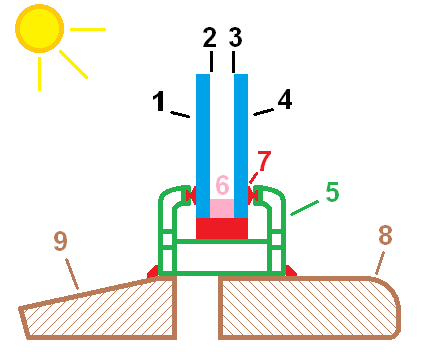
Section diagram of a fixed double-glazed insulated window unit

Glazing anatomy

Double glazing adds an insulated space between panes

Insulated glazing units use multiple panes separated by a sealed space. Glass coatings, gas fills and spacer design can further change the finished product's thermal and solar performance.

Double-glazed fixed-window diagram. NcLean, CC BY-SA 3.0, via Wikimedia Commons.

What ENERGY STAR certification means

ENERGY STAR states that certified residential windows are independently tested, certified and verified through NFRC procedures and must meet EPA energy-efficiency criteria for the applicable climate zone.

  • ✓Start with your ENERGY STAR climate zone
  • ✓Check the NFRC U-Factor and SHGC
  • ✓Match glass performance to orientation and climate
  • ✓Do not assume a frame material alone guarantees efficiency

Savings need context

ENERGY STAR says replacing single-pane windows with certified products can lower household energy bills by an average of up to 13% nationwide in its stated comparison context. Actual savings depend on the home, climate, existing windows and installation quality.

Use the numbers

Turn benchmarks into a project range

Change window count, frame material, style and location in the estimator. It returns a planning range and shows the assumptions instead of hiding them.

Open the cost calculator →

Continue your research

Related decision guides

Quick answers

energy efficient windows FAQs

Concise answers first; source details stay visible elsewhere on the page.

Do ENERGY STAR windows save money?

ENERGY STAR reports average savings of up to 13% on household energy bills in the stated single-pane replacement comparison, but real savings vary by climate, home and installation.

What window rating matters most?

U-Factor and SHGC are two core ratings, but the right target depends on climate and orientation. Use the complete NFRC label and ENERGY STAR climate guidance.